
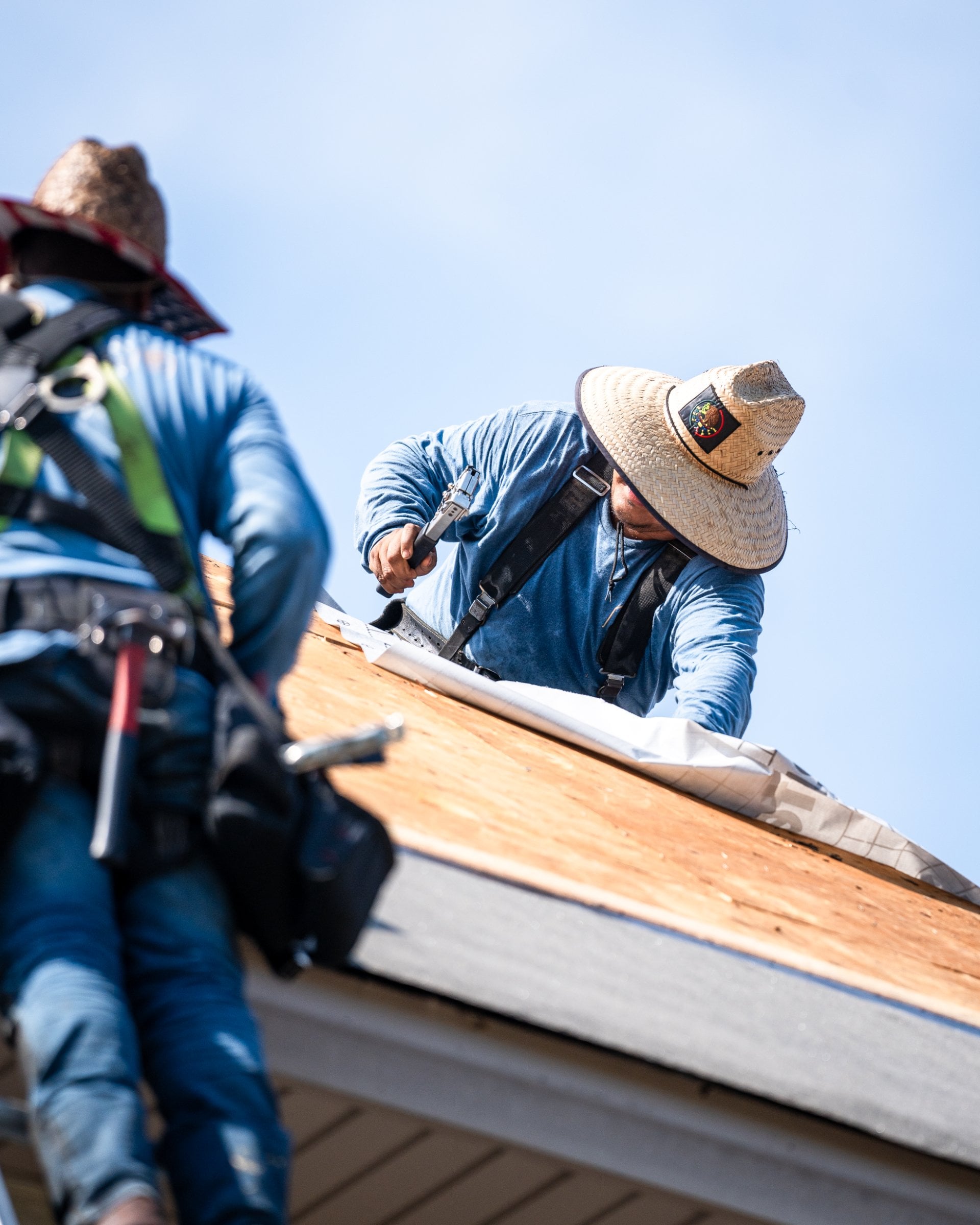
When Is It Time to Replace Your Roof?
Nobody wants to replace a roof. It’s not a fun purchase. You don’t get to show it off. So the question we get more than almost any other is some version of: do I actually need to do this yet?
Here are the rules of thumb I give our customers and potential customers, plus a few things we run into on job sites that you’d never spot from the driveway.
Rule of thumb #1: Age
If you’re past the 20-year mark on your roof, it’s time to get up there — or get someone up there — and start paying attention to what’s going on with the condition.
That doesn’t mean it needs to be replaced. Plenty of roofs go past that and are still doing their job. But once you cross that line, you should start preparing. Start saving. Get eyes on it once in a while so the decision happens on your schedule instead of during a storm.
Rule of thumb #2: Active leaks and repairs that keep repeating
Are you constantly repairing? Do you have ongoing leaks? Is the roof already on the older side?
If that’s you, there are probably some underlying issues going on — premature failure, or something else eating away at the lifespan of that roof. And at some point you’re just throwing money at it.
We always recommend repairs when repairs make sense. Truly. If we can fix it and get you real years out of it, that’s the call. But there’s a point where it stops making sense, and a good contractor should tell you when you’ve hit it.
What about a missing shingle?
You’re out on your daily backyard stroll and you find a shingle in the grass. It looks an awful lot like the ones on your roof. Here’s what to do:
Don’t panic. It depends on the severity. If it’s one or two shingles, back up far enough from the house to actually see the roof line. Typically there’s underlayment behind that shingle, so you’re okay for the moment. You should still get it addressed — but it’s not a freak-out moment.
If you see chunks, that’s different. Three, four, a bunch of shingles gone, giant patches showing — yeah, we need to get on top of that.
Call a roofer first. Not the insurance company. Have a contractor come out and evaluate the actual extent of the damage. A lot of the time it can be repaired. If it can’t, it gets tarped. Then you go through the claim process as needed. Doing it in that order means somebody who knows roofs has looked at it before a claim gets opened.
The problems you can’t see from the ground
Here’s the part that surprises people. Sometimes the shingles are the least of it.
We did a roof replacement in Crestwood where the soffit looked vented from underneath — vinyl soffit panels, looked fine. But look closely and there’s the original wood soffit up behind it, and the vents weren’t open. There were some openings, but they didn’t line up where they should have.
So that attic wasn’t intaking properly. No intake ventilation at all. Couple that with built-up moisture inside the attic, and what you get is black staining and delamination in the plywood.
On that house we ended up replacing about 85% of the plywood roof deck. We were also able to cut open the intake vents while we were up there, so now it’s got proper intake and a new deck surface underneath — which is what you actually need for a roof that’s going to last.
That’s the kind of thing that turns “my shingles look a little old” into a bigger conversation. It’s also the reason we look at ventilation and decking, not just the surface.
While you’re at it: skylights
Do skylights scare you? A lot of homeowners they do. Here’s what we’re looking at when we inspect one:
Seal condition. There’s a seal between the flashing and the skylight frame, and a seal around the glass itself. Those wear out over time for obvious reasons — sun, cold, heat, all of it beating down on the same spot for years.
Interior staining. From inside the house, look around the frame and down the skylight shaft. Staining there is a sign the seals may be going bad.
Leaks when it rains. That’s the no-brainer, scary one. Could be the flashing around it going bad, could be water ponding behind it and getting behind the shingles.
Our recommendation: if you’re replacing your roof and the skylight is somewhere between 5 and 10 years old, it’s usually best practice to replace it at the same time. You don’t have to. Some skylights you can just replace the flashing kit if one’s available.
But here’s why we push doing it together. With the old skylight out, we can install our leak barrier all the way over the opening and get a 100% transition to the skylight. We mount the skylight, run the leak barrier up it, install the metal flashing kit that comes with the unit, then shingle around it. Do the skylight later and you’re patching into a finished roof. In my opinion it’s just not the same installation.
One more thing: when you replace matters
Do not install a roof in the winter when it’s cold. That sounds like a strange thing for a roofer to say out loud, but here’s why.
Every shingle has a sealing strip on it. That strip needs to hit an optimum temperature to actually seal down — and every manufacturer has different requirements for it. If it’s installed when the ambient temperature is too cold, or the strip picks up a little dirt, it doesn’t seal. And an unsealed shingle is just waiting for wind to come along and lift the whole thing up.
So be wary about the timing of an installation. If somebody’s telling you it makes no difference, that could be a bad sign about your contractor.
Frequently Asked Questions
How old does a roof have to be before I should worry?
Past 20 years is when we tell people to start paying attention. It doesn’t automatically mean replacement — it means get it looked at and start planning financially so you’re not making the decision under pressure.
Should I repair or replace?
Repair when it makes sense. If you’re dealing with ongoing leaks, repeat repairs, and an older roof, there are likely underlying issues and you’re probably throwing money at it. A contractor should be able to walk you through which side of that line you’re on.
I found one shingle in my yard. Is my roof failing?
Probably not. One or two missing shingles usually means the underlayment behind them is still doing its job. Get it addressed, but don’t panic. Multiple missing shingles or visible patches is a different situation and needs attention quickly.
Should I call my insurance company first?
Call a contractor first. Let them evaluate the extent of the damage — a lot of storm damage can simply be repaired, and if it can’t, it can be tarped while you go through the claim process.
Do I have to replace my skylights with my roof?
No, but we recommend it if yours are 5 to 10 years old. Replacing them together lets us run the leak barrier over the whole opening for a full transition instead of patching into a finished roof later.
Not sure where your roof stands?
If your roof is getting up there in age, or you’ve been repairing the same spot more than once, get someone up there to take a real look — at the shingles, the ventilation, the decking, and the skylights.
We’ll tell you straight whether it’s a repair, whether you’ve got a few years left, or whether it’s time to start planning a replacement.
Contact us to schedule a free inspection.
